
Strength in the Body: Hope at Every Age
What Long-Living Communities Teach Us
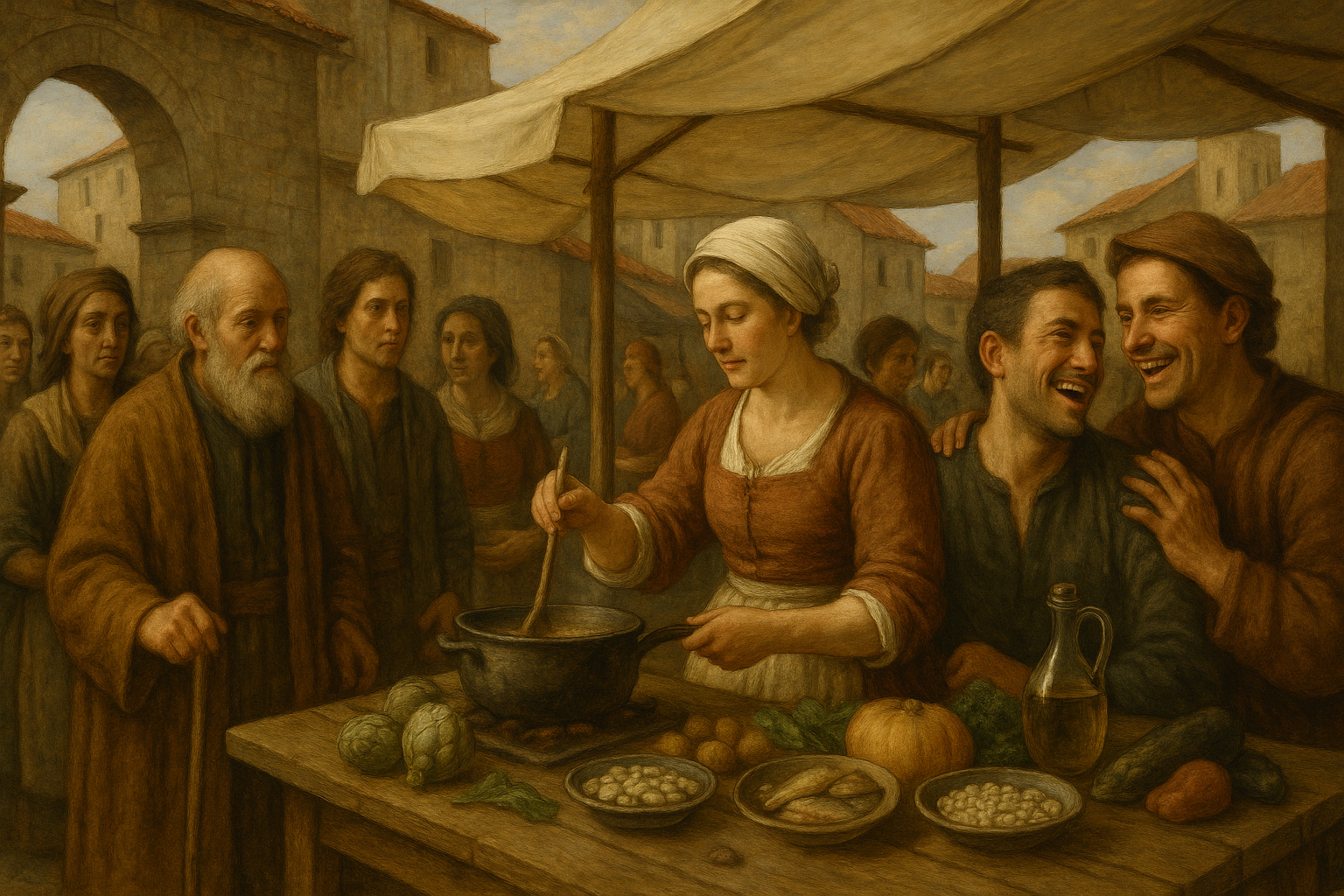
In Ourense, Spain, people in their hundreds still walk to the market, cook for themselves, and laugh with friends. I read a recent study in Nutrients (García-Vivanco et al., 2025) that found their lives were not marked by extremes, but by consistency in their habits: olive oil, legumes, fish, unprocessed foods, and living a social life.
At first, I imagined their strength as a gift of genetics. But the more I continued reading, the more it felt like their way of living had been stewarded, not simply inherited.
Looking closer to home brought its own reminder. Heart and vessel disease remain the leading cause of death in Western countries, conditions many people do not realise are developing, yet ones that may be more preventable than often recognised. In the Netherlands, there is no clear evidence that heart-disease rates are rising in younger adults, only a slowing of past improvements in people in mid-life. But it was disturbing to learn that in the UK and the US the trend is shifting. Both have reported rising heart-disease deaths among adults aged 25 to 64. It reminds me that decline does not begin at diagnosis. It roots itself decades earlier.
The Influence Of Everyday Life
Life fills those decades with demands that look different for everyone. For some it is raising children, for others it is a demanding specialty, and for many it is the weight of a stressful nine-to-five job.
Even with those demands, I notice that gym culture has become something many people share openly. As a millennial myself, I like seeing that many of us are unwilling to wait for the wake-up call. As we reflect on our health, we take small steps to improve. Sleep apps. Alcohol moderation. Flexible work. A growing clarity that caring for strength cannot begin at the edge of crisis.
I found it meaningful to share a study from China (Li et al., JAMA Network Open, 2024), because it added to that sense of hope. Adults over eighty who improved their diet and activity increased their chance of reaching one hundred. It raised a complex question. Does the body respond to care at every age, even when health feels far away?
This population-based research suggests it does, particularly for those who are not yet living with a diagnosed illness. Attention to strength is rewarded, even when it begins late.
Stewardship
Cardiovascular disease is not a simple fate. Loss is real, and grief belongs to those left behind. These studies suggest possible benefits and point to the idea that there may still be time to steward what remains for future generations.
Centenarians taught me that strength within the body is not about perfect health. It is about honouring what remains, while accepting its limits. Millennials bring early clarity. Those further along bring lived perspective. Together they remind me that there is hope at every age.
